Function first, looks second
Every system starts with how you actually move through your day. How you get dressed, how you cook, where backpacks actually land. Not how a shelf photographs.
My mom would often find me in my closet, lining up my dresses and talking to them like old friends. Yes, really.
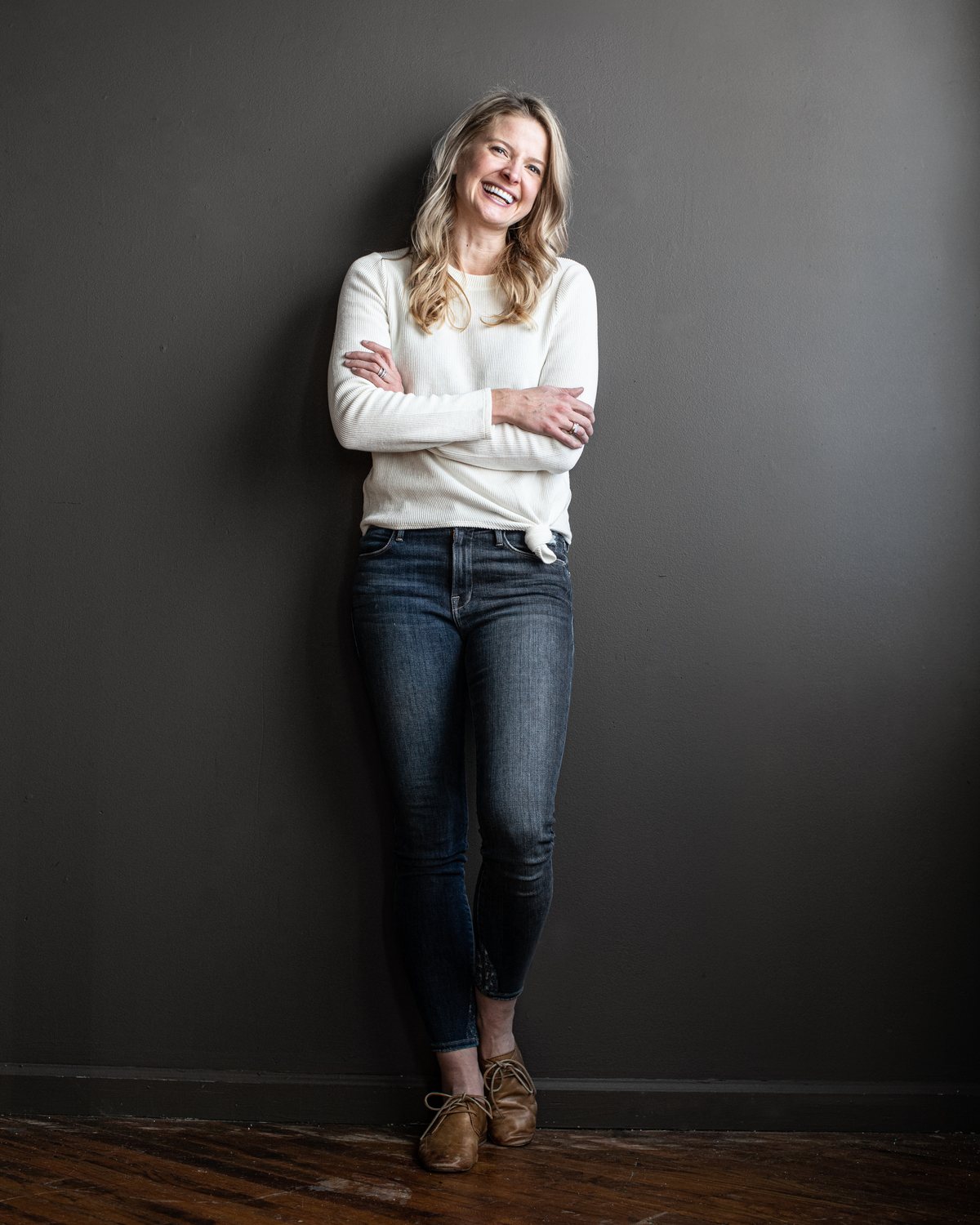
What I've realized is that underneath the silliness of that, it was actually an instinct for finding order in chaos.
And that instinct is what followed me everywhere after. Into companies I helped build from the ground up, where growth meant learning fast how to listen and build systems sturdy enough to survive contact with real, messy humans. Into professional kitchens, where I learned exactly how a kitchen is supposed to move. Spoiler: it's probably not how yours currently does. And now into raising three kids, where I get a daily masterclass in migrating shoes, self-multiplying backpacks, and a pantry that seems to defy the laws of physics.
Here's the part that hasn't changed no matter the job: meet people where they are, listen closely, and guide them toward what actually works for them. Not a Pinterest-perfect system that collapses by Tuesday.
That's what you get with me. Not a stranger showing up with bins, but someone walking right alongside you until your home actually feels like yours again. Clients don't hire me for a day of organizing. They hire me for a home that keeps working long after I've left.
Every system starts with how you actually move through your day. How you get dressed, how you cook, where backpacks actually land. Not how a shelf photographs.
A professional chef's program shapes how I set up a kitchen. Real workflow, not just style.
Years growing companies from scratch, plus three kids at home, taught me the same lesson. Real systems survive real life.
The result: spaces that work because of how they're built. Still holding six months from now, not just on the day I leave.